Photography

Artistic Inspirations

Photographers whose work turns up, unprompted, in reviews of my own

These names came up during ongoing composition reviews of my photo archive — not as a rigorous critique, but as loose kinship: "to improve at photos like this, look at [name]." Ordered roughly by when each photographer was active. Each entry pairs a real example of mine with the specific reason it echoes their work.

Jacob Riis

1849–1914

NYC police reporter turned social reformer. Used a primitive magnesium flash to photograph tenement interiors most New Yorkers never saw, publishing them in “How the Other Half Lives” (1890) to force housing reform — an early forerunner of photojournalism.

The connectionThe photograph-as-evidence instinct, closest of this group to my own documentary/ghost-town framing — show the place plainly, let the condition itself carry the story.
Library of Congress — Jacob Riis: Revealing “How the Other Half Lives” →
Example photo echoing Eugène Atget's styleExample photo echoing Eugène Atget's styleExample photo echoing Eugène Atget's style

Eugène Atget

active 1890s–1920s

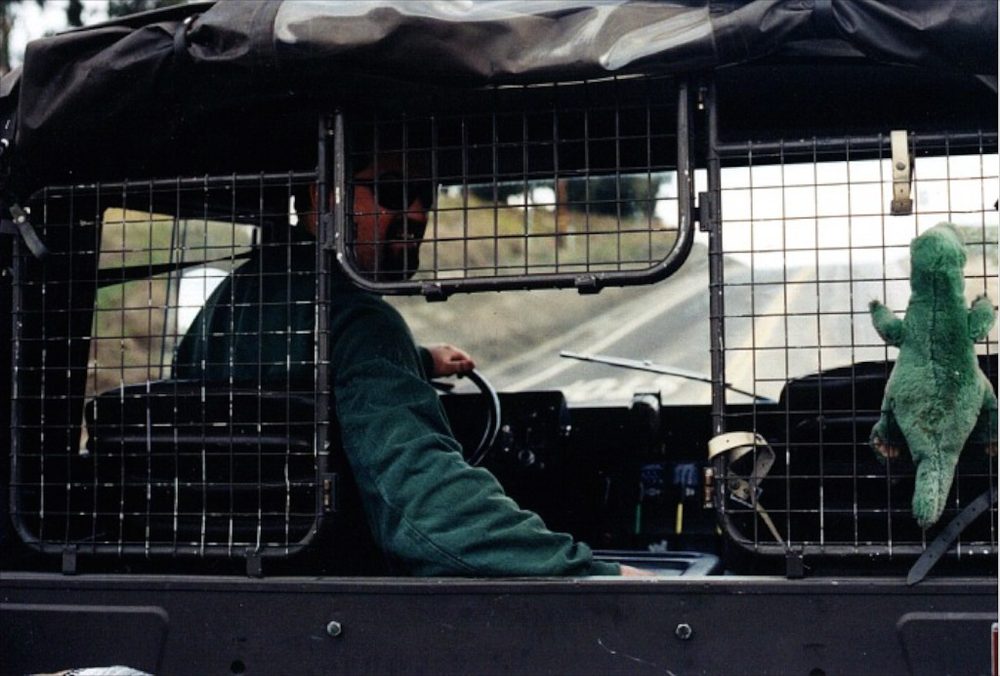
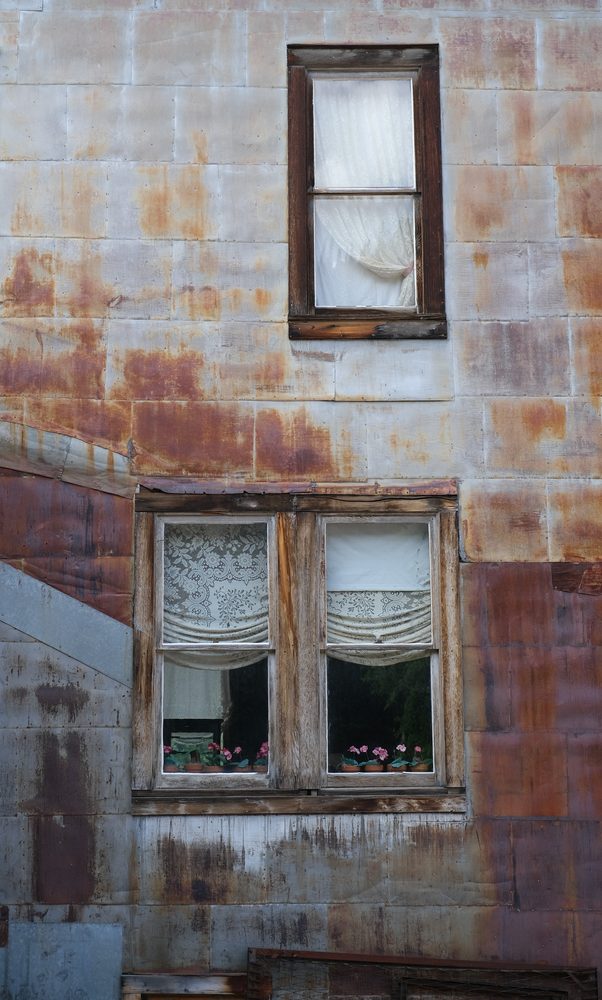
Shot deserted Paris streets, shop windows, and stairways with a large-format view camera — mostly as documentation, before "art photography" existed as a category. Man Ray and the Surrealists adopted his work late in his life.

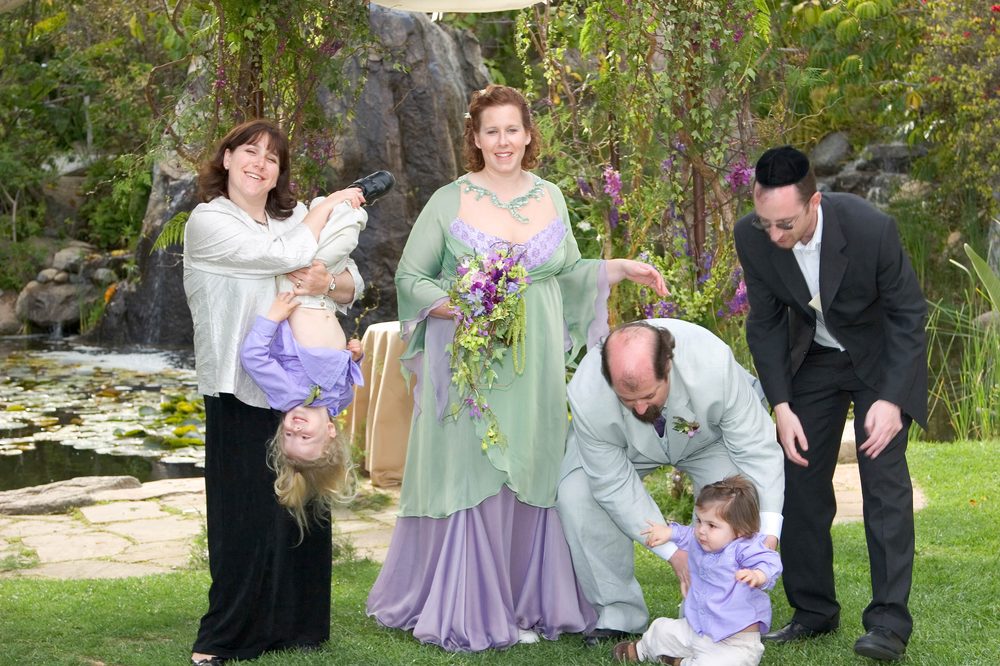
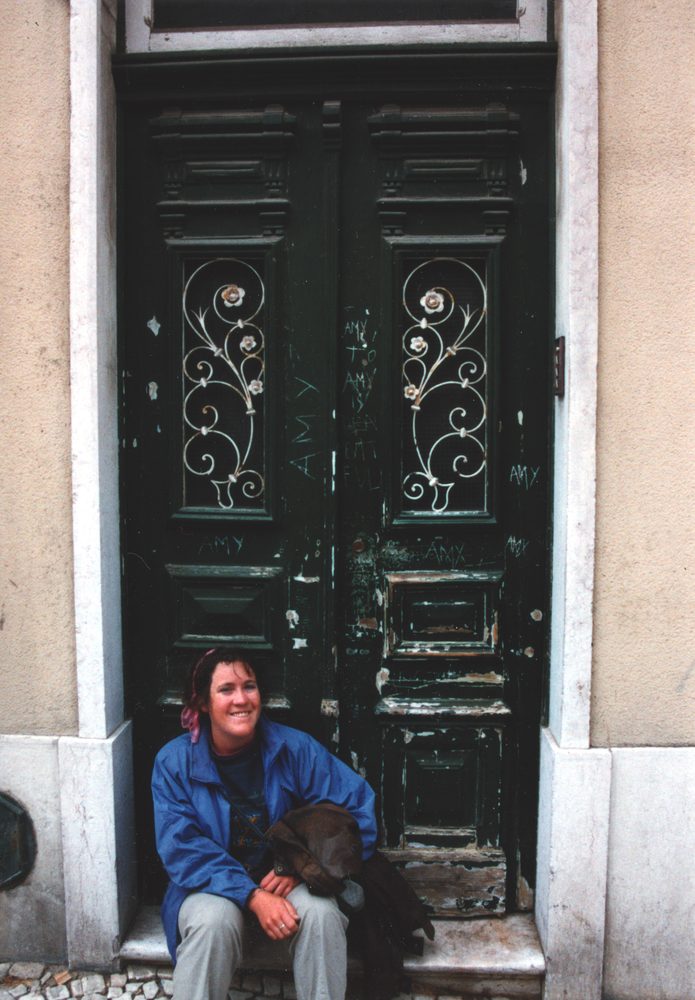
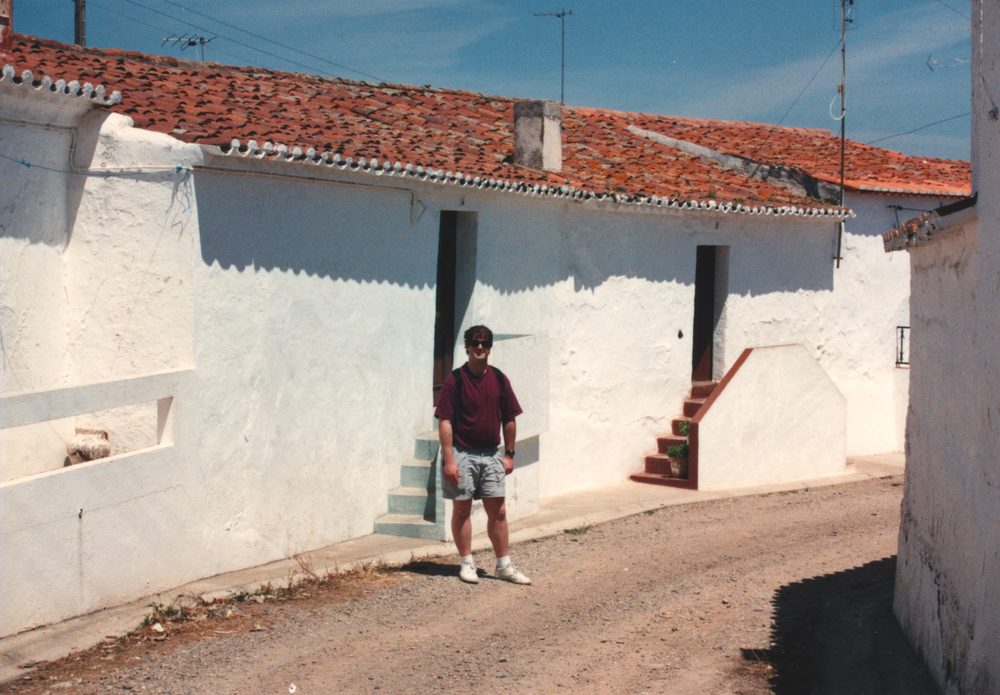
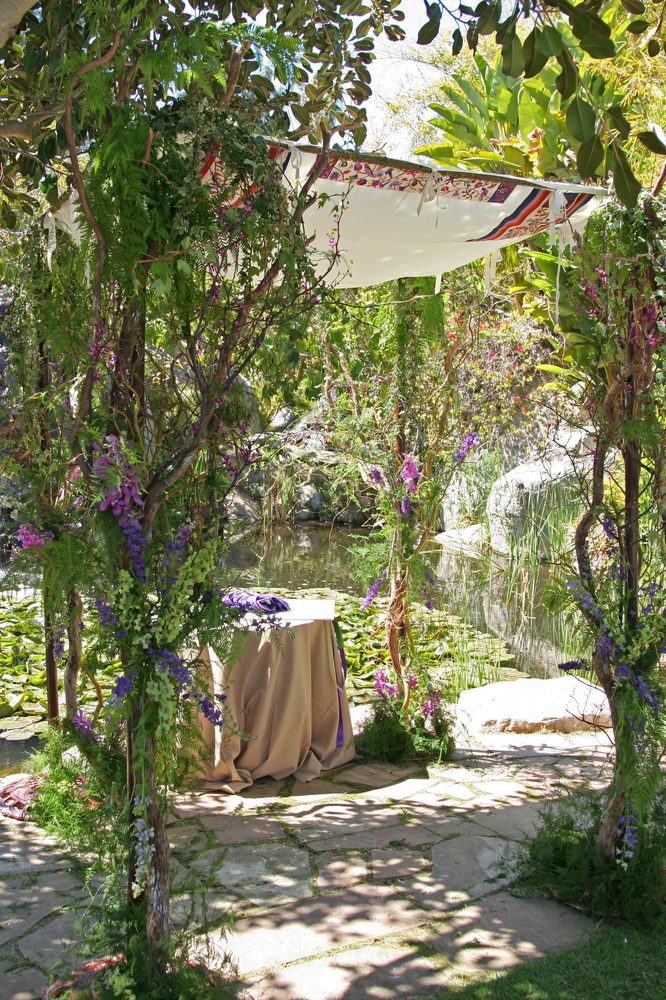
The connectionEmpty, deserted spaces documented as the subject itself — a Lisbon doorway, a whitewashed Portuguese village lane, an unpopulated wedding chuppah — with any figure incidental rather than the point, the way Atget shot vacant Paris streets and shop windows.
ICP artist archive →
Alfred Stieglitz

1864–1946

Photographer and gallerist who founded the Photo-Secession (1902) and the “291” gallery, arguing photography deserved the same standing as painting. Later photographed clouds obsessively — the “Equivalents” series — as pure abstraction, no longer needing a recognizable subject at all.

The connectionThe foundational push to treat a photograph as art rather than mere record. Background for any deliberately composed shot, not a single-series match.
MoMA — artist page →

Edward Steichen

1879–1973

Co-founded the Photo-Secession with Stieglitz, moved from soft-focus Pictorialist painter-photographer to MoMA's Department of Photography director (1947–61) and Condé Nast's chief photographer, shooting Vogue and Vanity Fair portraits.

The connectionTraces the arc from “photography as painting” to “photography as its own commercial/fine-art discipline” — useful context more than a direct compositional echo.
MoMA — artist page →

Lewis Hine

1874–1940

Investigative photographer for the National Child Labor Committee (1908–1924) — photographed children at mills, mines, and canneries to build the legal case against child labor. Later documented Ellis Island immigrants and the Empire State Building's construction.

The connectionSame photograph-as-evidence lineage as Riis, one generation later — worth pairing with the FSA photographers (Evans, Lange) as documentary's throughline into the 1930s.
George Eastman Museum — artist page →
Example photo echoing Man Ray's styleExample photo echoing Man Ray's styleExample photo echoing Man Ray's style

Man Ray

active 1910s–1970s

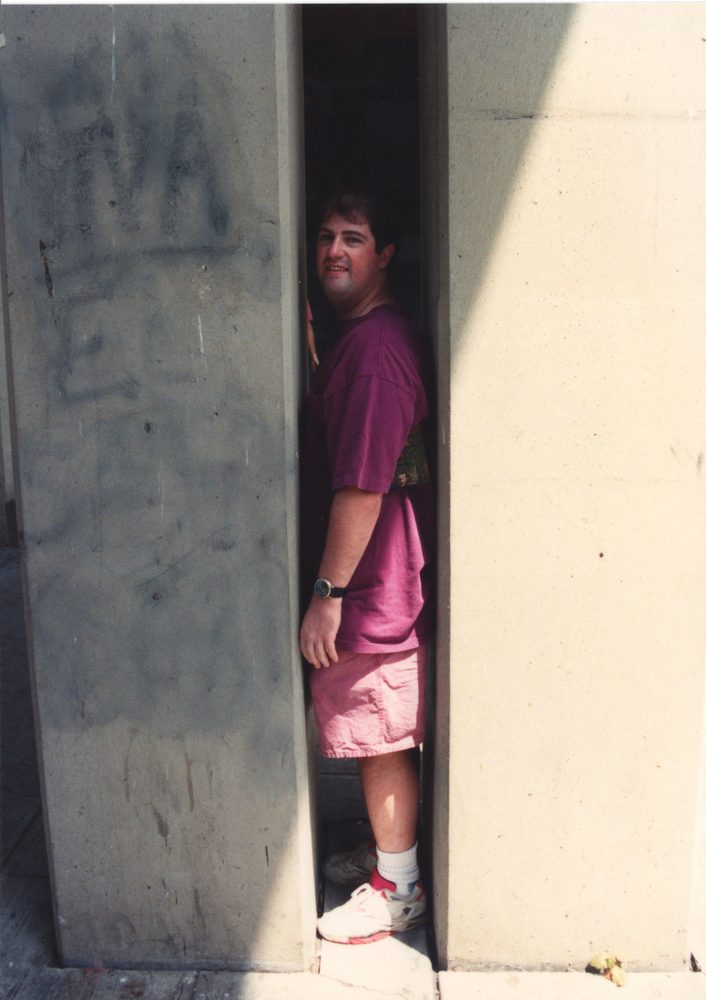
Surrealist photographer — rayographs and solarization, obstruction and distortion as deliberate technique.

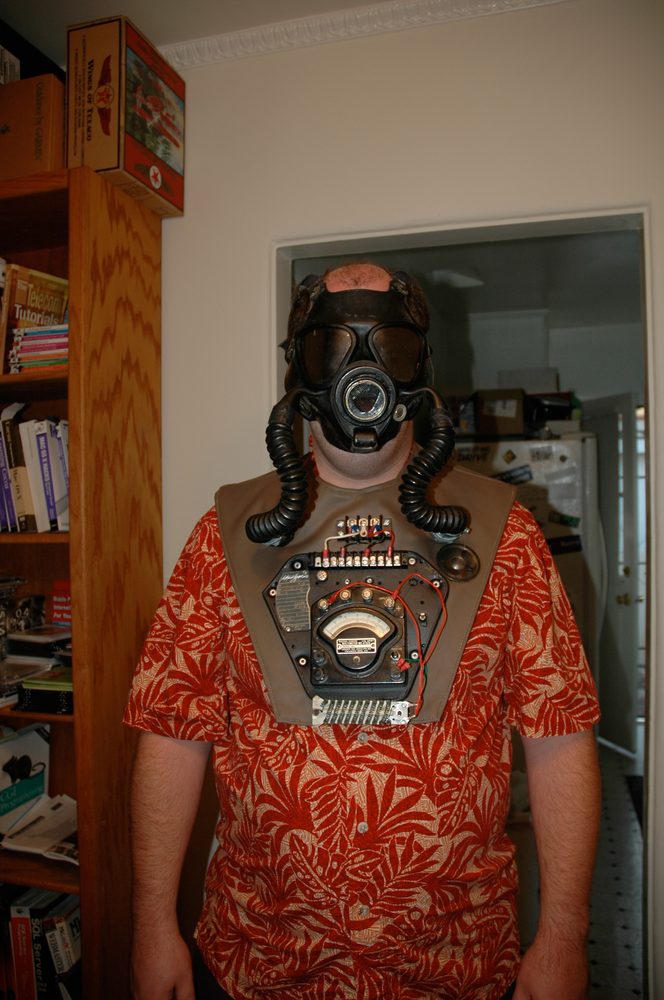
The connectionA frame built around obstruction and surprise, not a clean documentary read — the surrealist instinct rather than the deadpan one.
MoMA artist page →
Example photo echoing Norman Rockwell's approach

Norman Rockwell

active 1910s–1970s

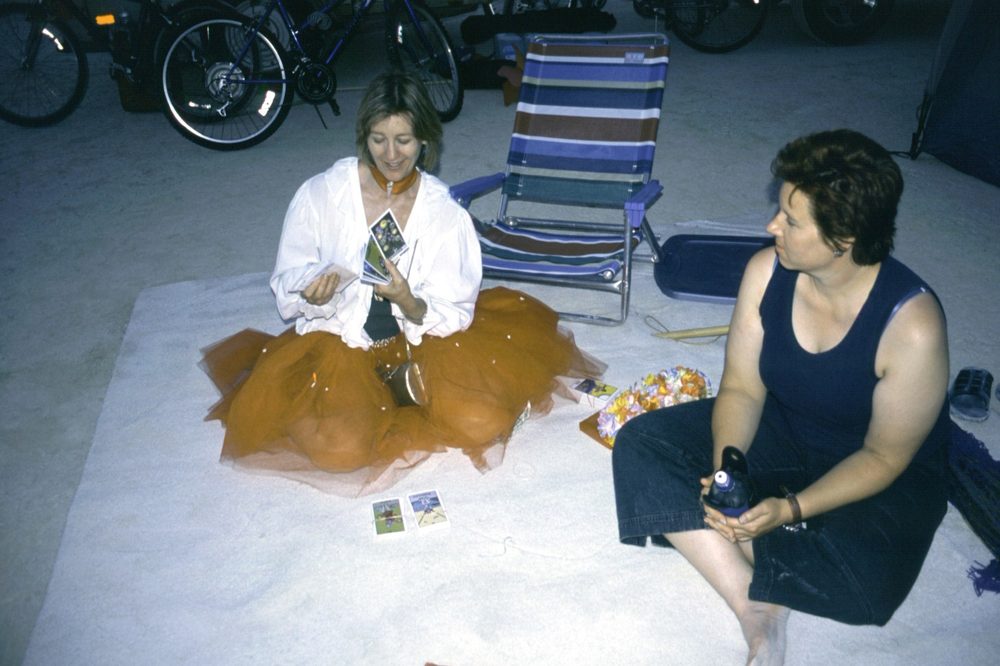
Illustrator, not a photographer — included for approach, not technique. Look for the story: a moment, a relationship, an implied narrative, not just a likeness.

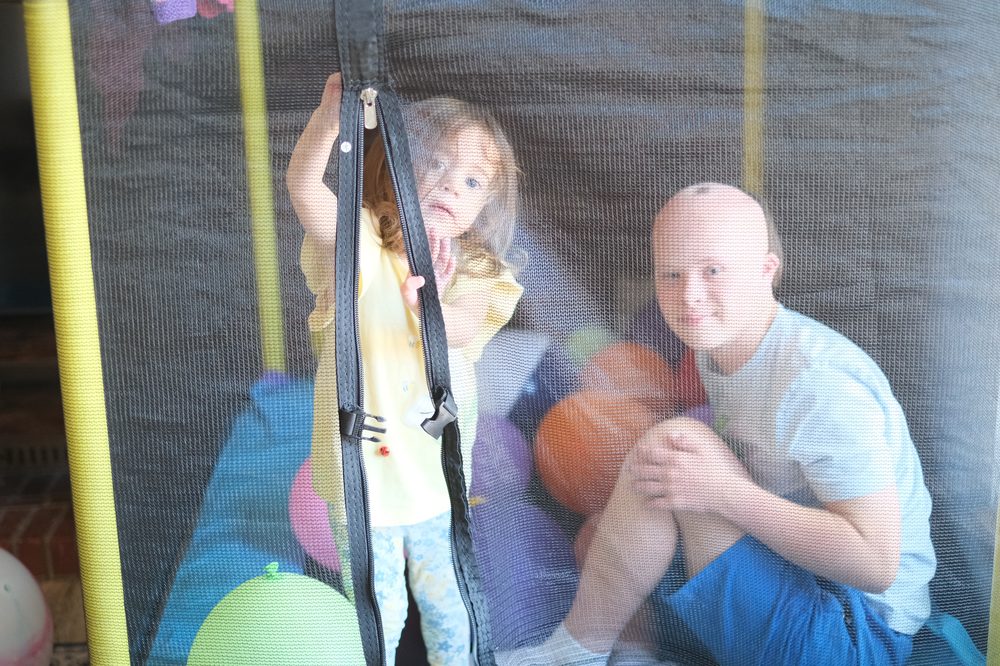
The connection"It's more of an inspiration for what to do when shooting people — tell a story." A portrait built around a relationship, not just a face.
Norman Rockwell Museum →

Salvador Dalí

1904–1989

Joined the Surrealists in 1929; became the movement's most theatrical public face — persistence-of-memory melting clocks, elaborate mustache, a total-commitment-to-the-bit persona (“I don't do drugs. I am drugs.”).

The connectionPainting, not photography — included for inspiration alongside Man Ray/Breton. The same unconscious-logic, dream-image instinct as the Surrealist photographers, minus the camera.
MoMA — artist page →
Example photo echoing Weegee's styleExample photo echoing Weegee's styleExample photo echoing Weegee's style

Weegee (Arthur Fellig)

active 1930s–1940s

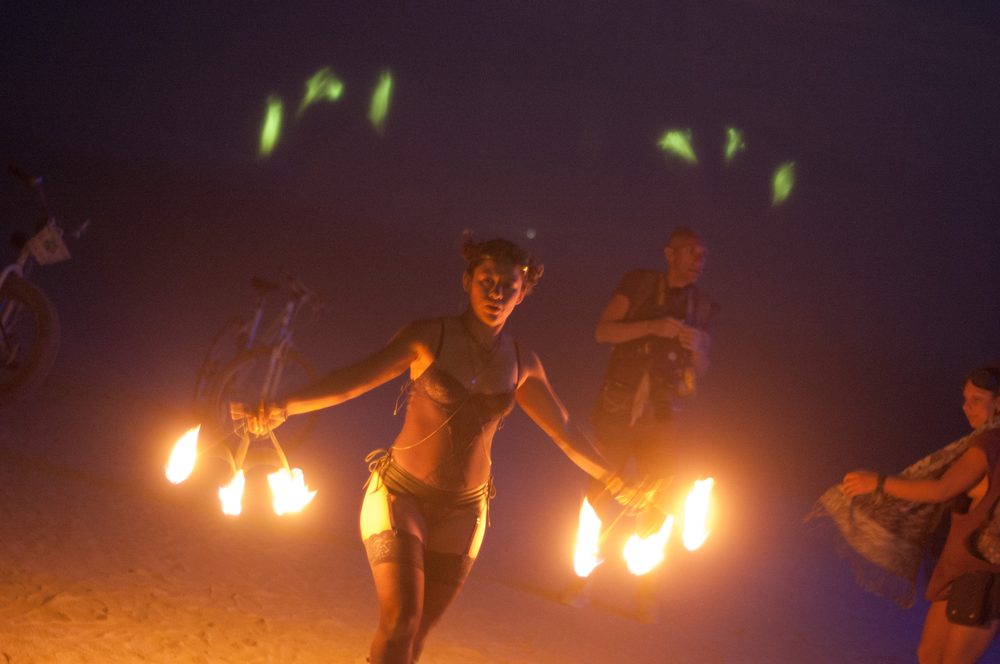
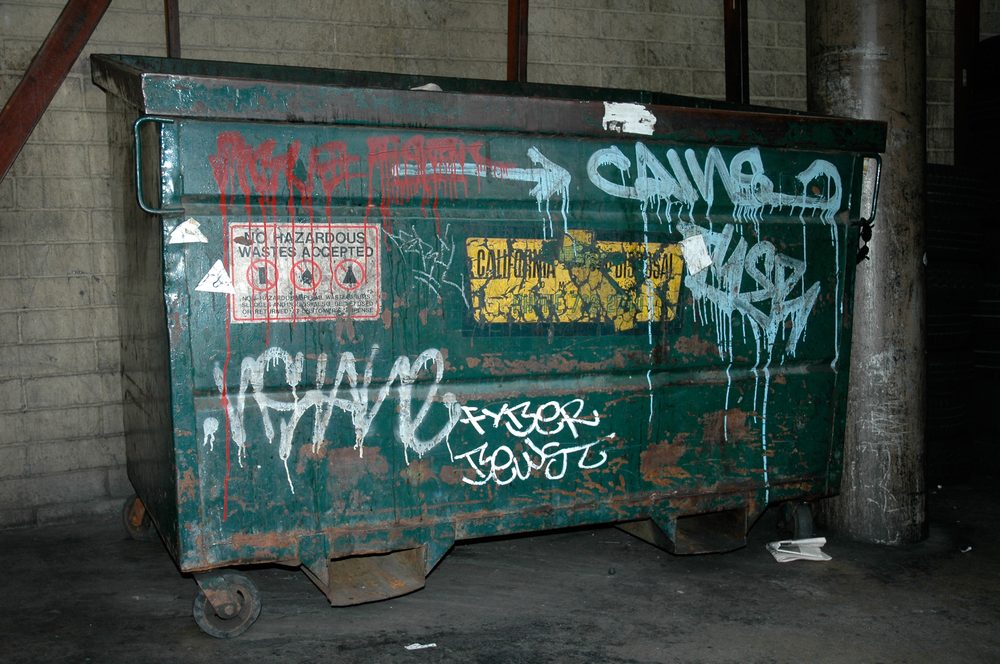
NYC tabloid crime and nightlife photographer. Speed Graphic and flash, dead-on unflinching shots of crime scenes and street life. Likely-apocryphal source of "f/8 and be there."

The connectionUnflinching, flash-lit, no attempt to soften or beautify the subject.
ICP Weegee archive →
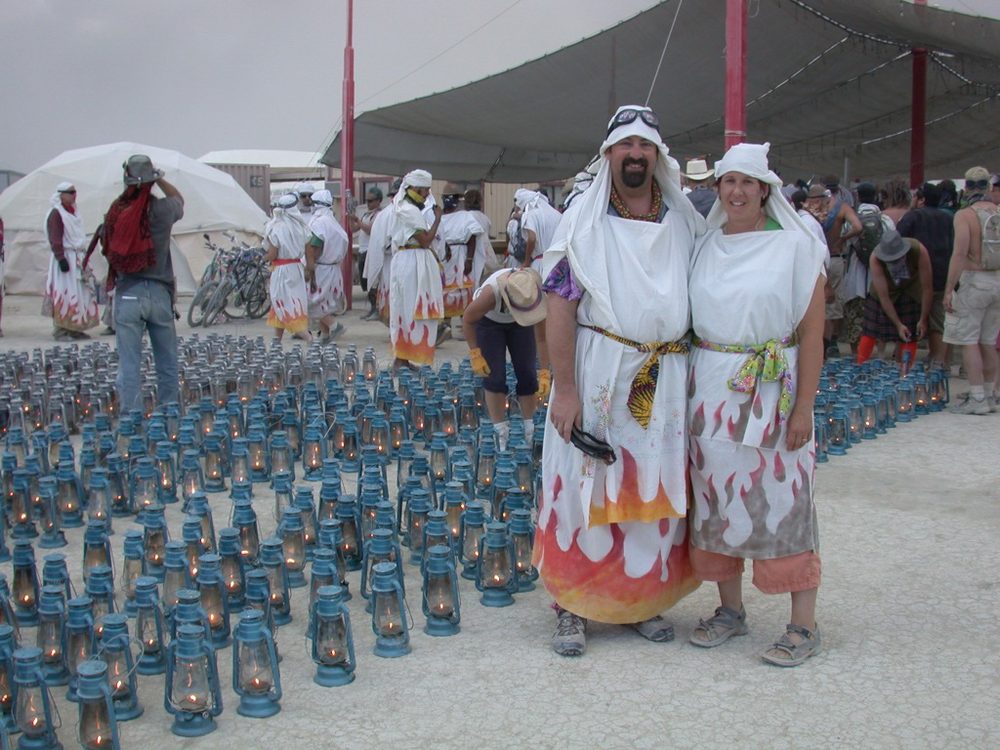
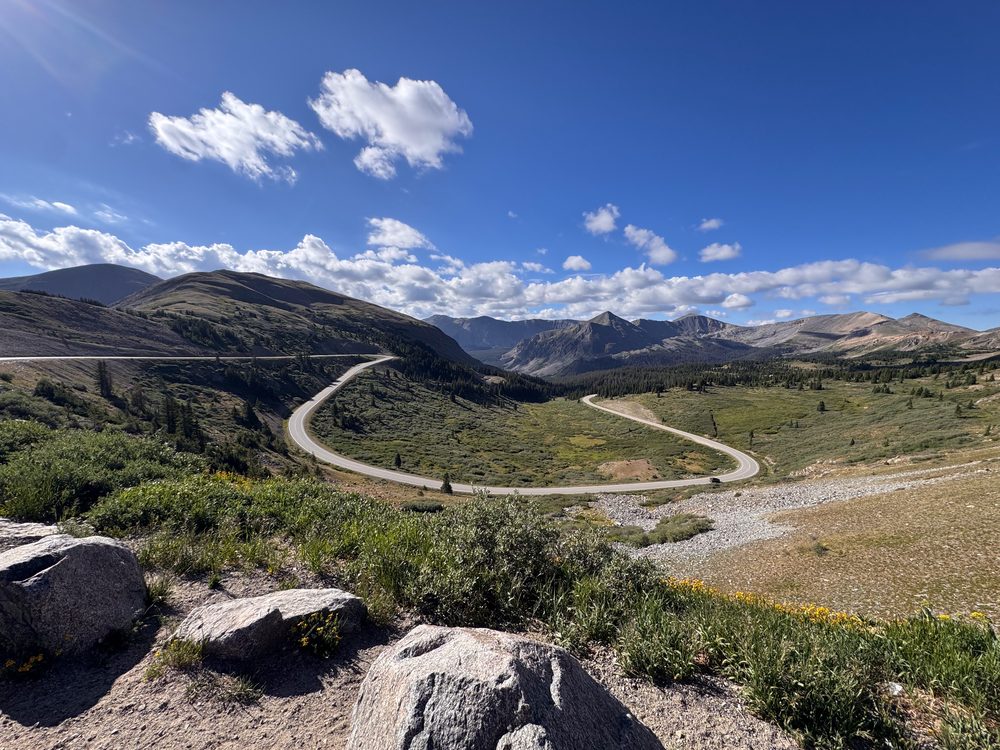
Example photo echoing Ansel Adams's styleExample photo echoing Ansel Adams's styleExample photo echoing Ansel Adams's style

Ansel Adams

active 1920s–1980s

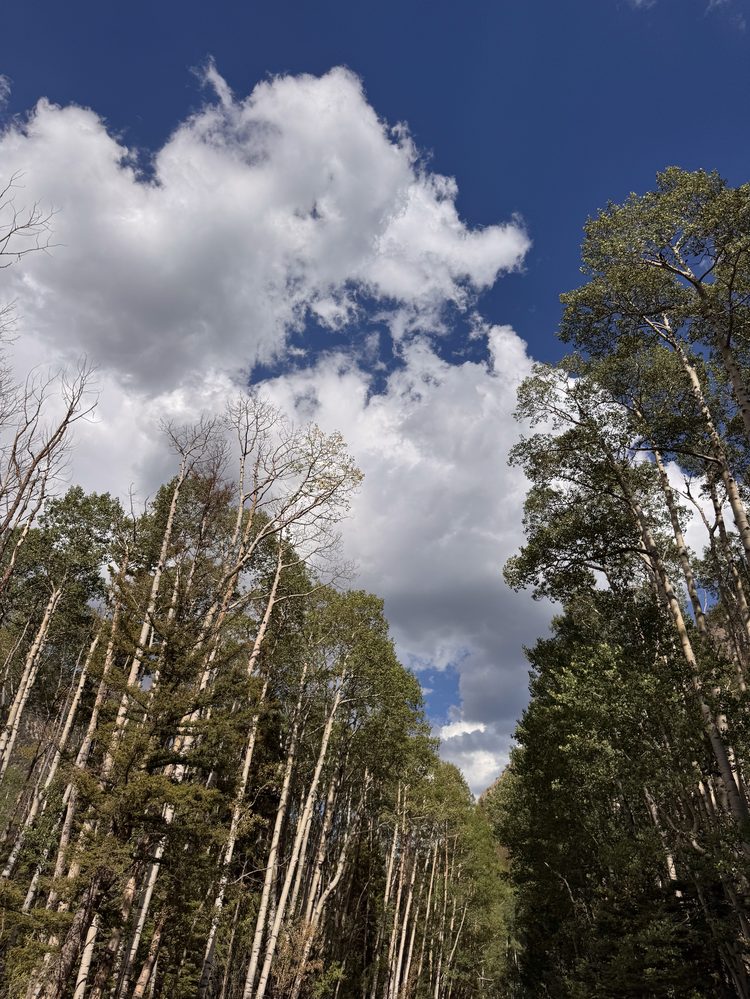
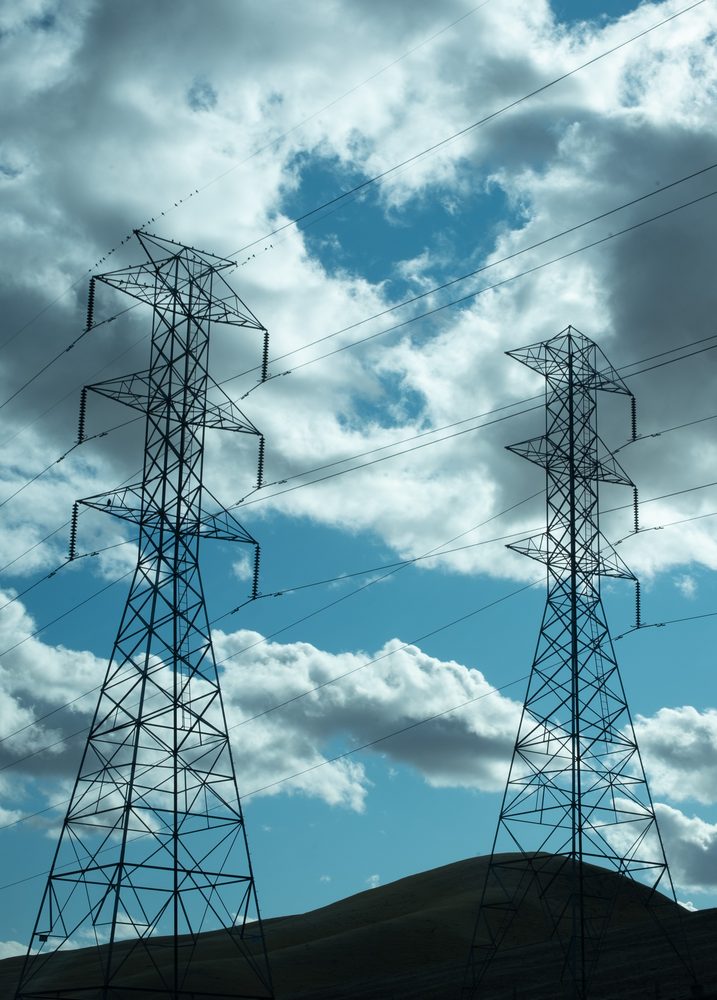
Dramatic tonal range, the Zone System — landscape and sky doing real compositional work rather than sitting as blown-out negative space.

The connectionSky and landscape carrying real weight in the frame, not just filling it.
Official gallery →
Example photo echoing Walker Evans's styleExample photo echoing Walker Evans's styleExample photo echoing Walker Evans's style

Walker Evans

active 1930s–1970s

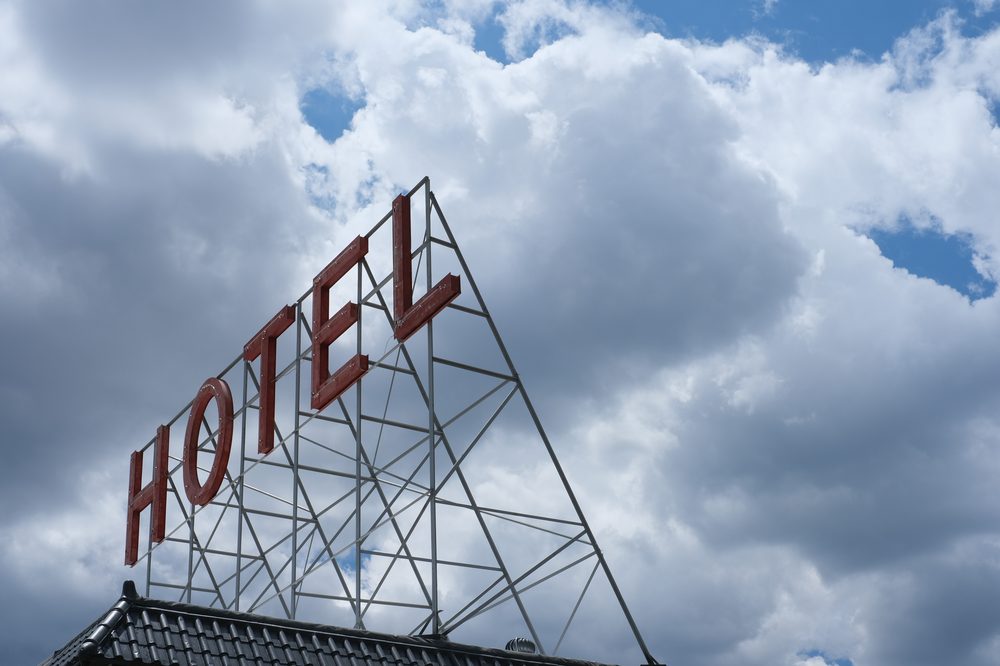
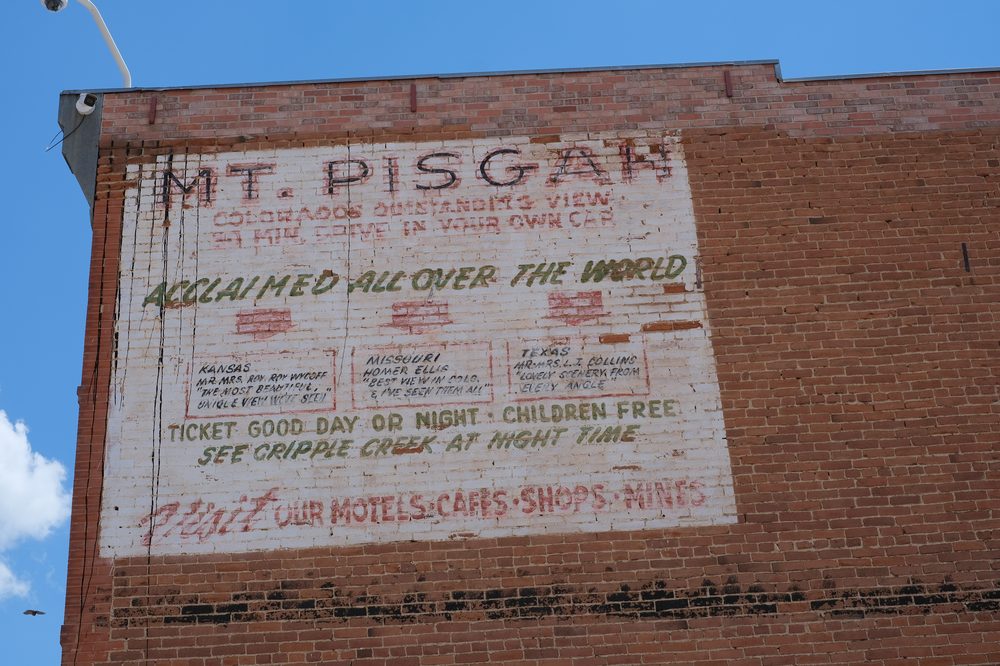
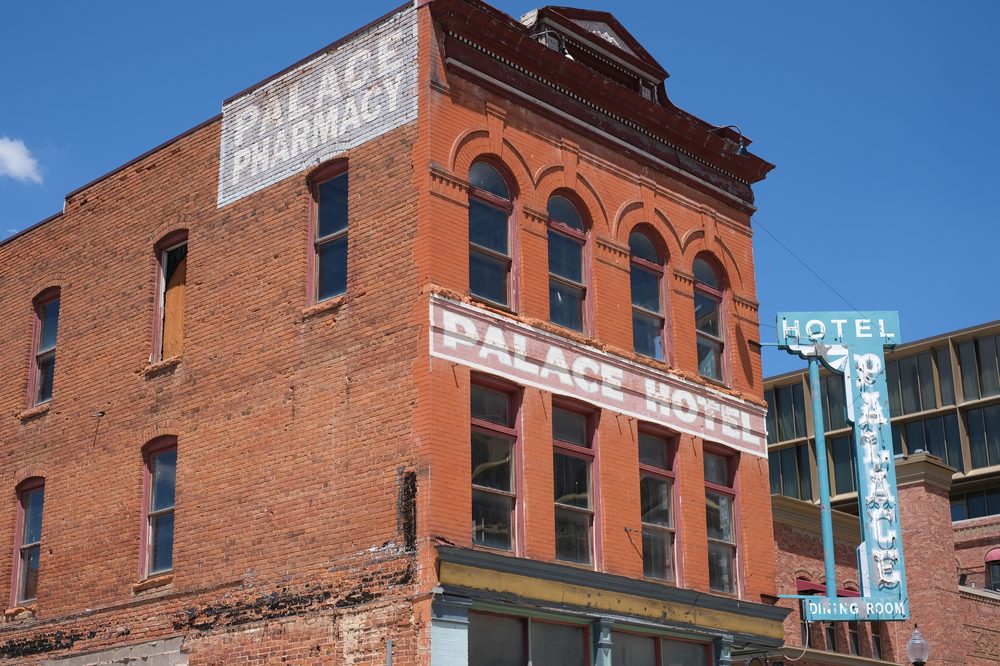
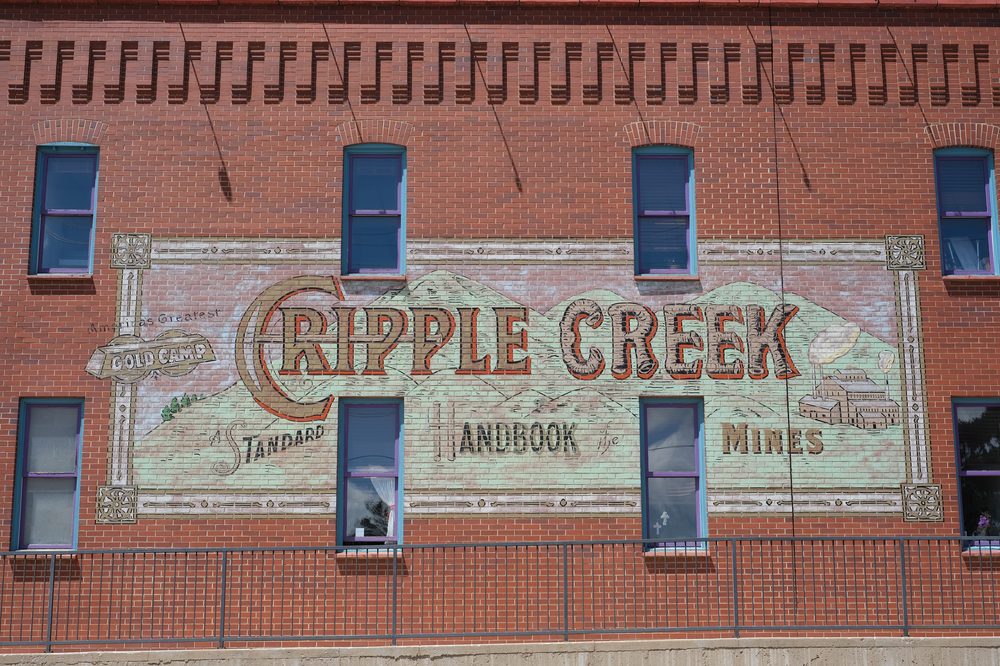
Dead-on, unglamorized documentary shots of vernacular signage and storefronts (FSA era). The origin point for "signs as subject."

The connectionMost-cited reference in the whole archive — dead-on documentary shots of flat, vernacular storefront signage, no attempt to glamorize the light or the sign itself.
MoMA artist page →

Dorothea Lange

1895–1965

FSA-era Depression documentary photographer, best known for “Migrant Mother” (1936) — a portrait of Florence Owens Thompson that became the defining image of the era.

The connectionSame FSA generation as Walker Evans, but the portrait-driven half of that movement — the story is a specific person's face, not a storefront.
MoMA — artist page →Library of Congress — Migrant Mother research guide →
Example photo echoing Henri Cartier-Bresson's styleExample photo echoing Henri Cartier-Bresson's styleExample photo echoing Henri Cartier-Bresson's style

Henri Cartier-Bresson

1908–2004

Coined "the decisive moment"; co-founded Magnum. The name people actually mean by default when they say "street photography."

The connectionOne instinctive, well-timed fraction of a second, not a staged or composed setup.
Fondation Henri Cartier-Bresson →
Example photo echoing Diane Arbus's styleExample photo echoing Diane Arbus's styleExample photo echoing Diane Arbus's style

Diane Arbus

1923–1971

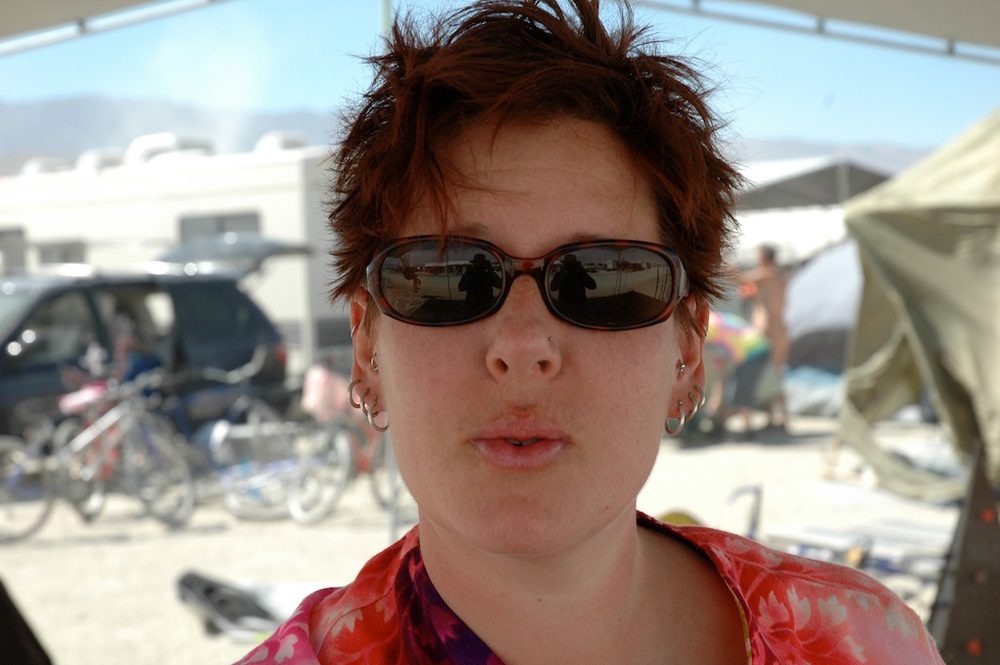
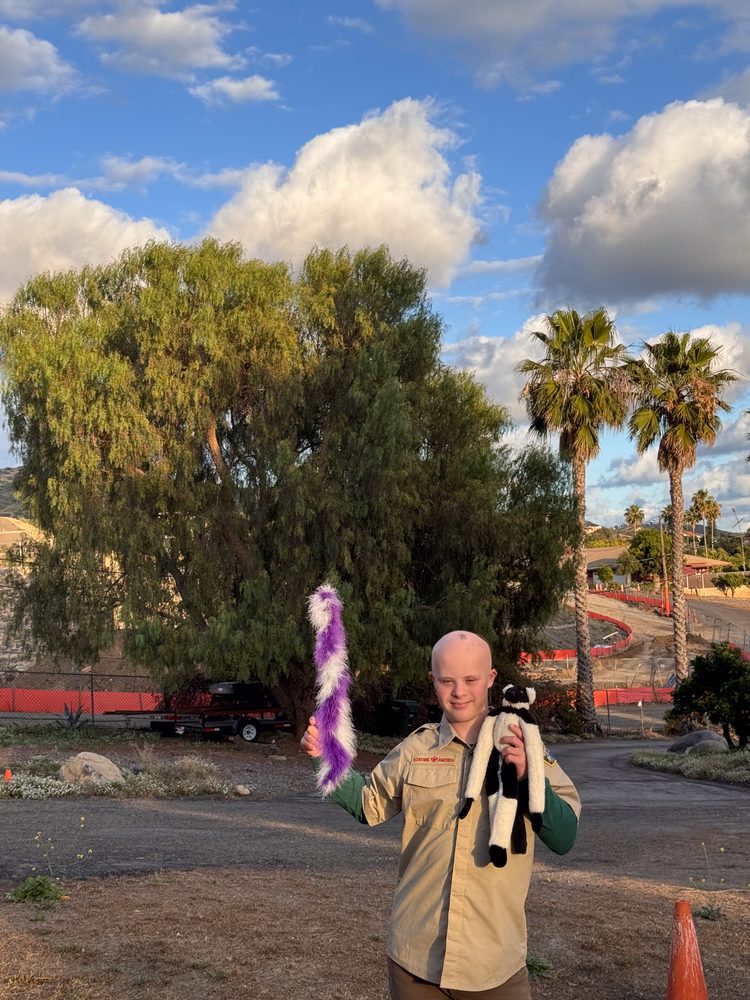
Intimate, sometimes uncomfortably close portraiture — subjects that feel a little too honest.

The connectionSecond-most-cited reference — a portrait that sits closer and more candid than a normal snapshot would.
MoMA artist page →
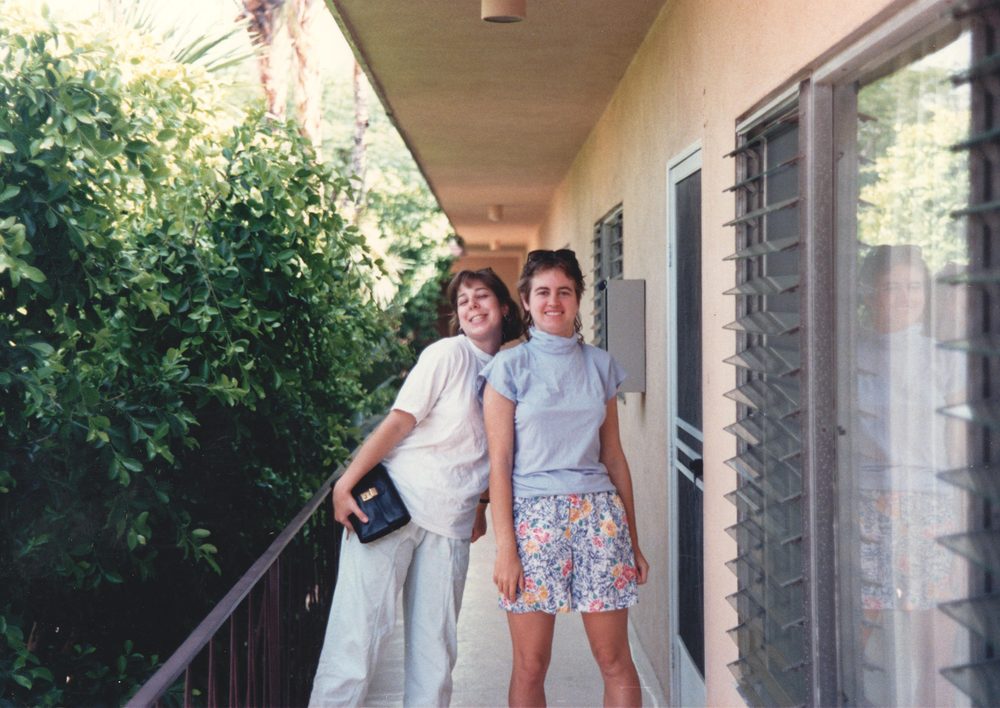
Example photo echoing Robert Frank's styleExample photo echoing Robert Frank's styleExample photo echoing Robert Frank's style

Robert Frank

1924–2019

Road-trip documentary photography — The Americans. "The one I saw and loved."

The connectionRoad-trip Americana, shot in passing rather than staged.
National Gallery of Art — Robert Frank Collection →
Example photo echoing Vivian Maier's styleExample photo echoing Vivian Maier's styleExample photo echoing Vivian Maier's style

Vivian Maier

1926–2009

Prolific street and self-portrait photographer who worked in total obscurity, discovered posthumously in 2007. Candid street photography, reflective self-portraits in shop windows and mirrors.

The connectionA candid street moment or a reflective self-portrait, caught rather than composed.
Official site →
Example photo echoing Garry Winogrand's styleExample photo echoing Garry Winogrand's styleExample photo echoing Garry Winogrand's style

Garry Winogrand

1928–1984

Relentless street photography — chaotic, energetic candid framing of crowds and public life, mid-century NYC. Called "the central photographer of his generation" by MoMA curator John Szarkowski.

The connectionCandid street-walk material — dive liquor stores, tattoo shops, people caught mid-motion.
MoMA artist page →
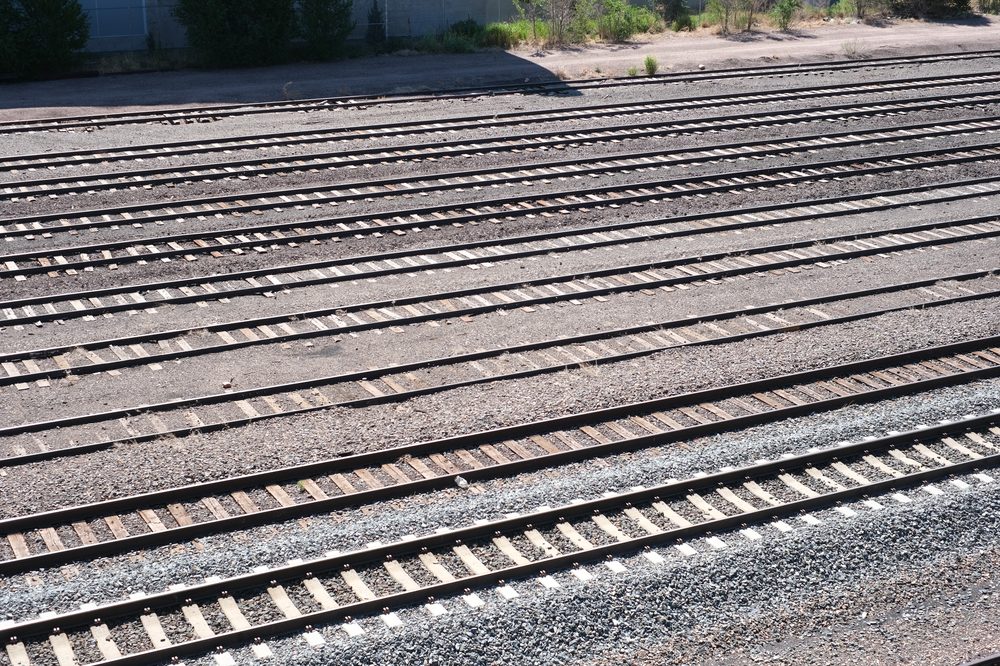
Example photo echoing Bernd and Hilla Becher's styleExample photo echoing Bernd and Hilla Becher's styleExample photo echoing Bernd and Hilla Becher's style

Bernd & Hilla Becher

active 1959–2007

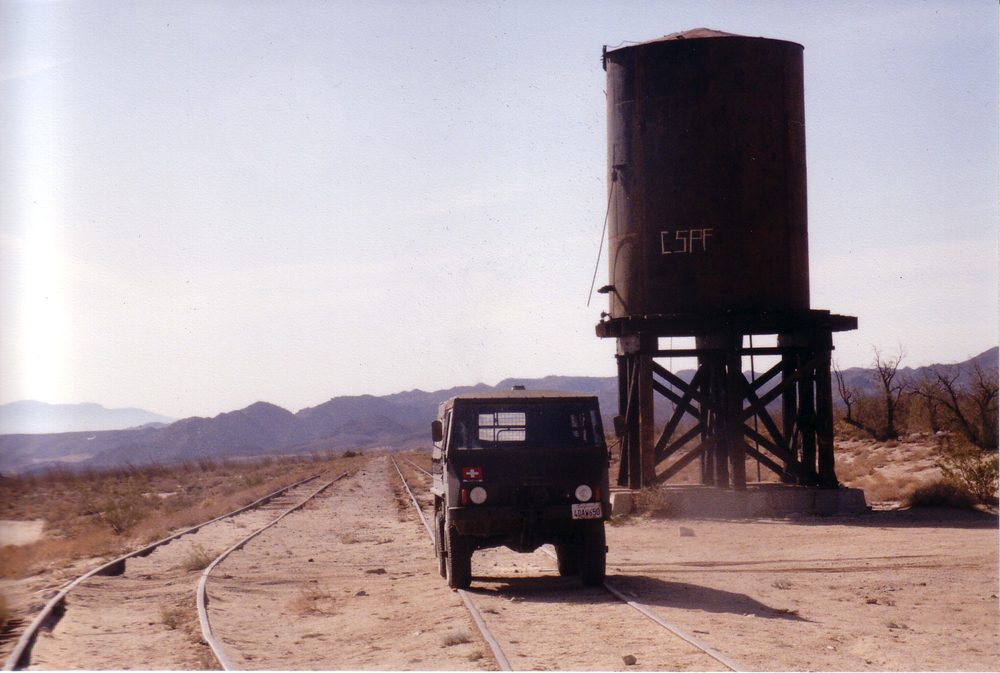
German husband-and-wife pair who shot industrial structures — water towers, blast furnaces, mine heads — dead-on, grid-format, zero drama. Their 1975 "New Topographics" inclusion gave "deadpan photography" its name.

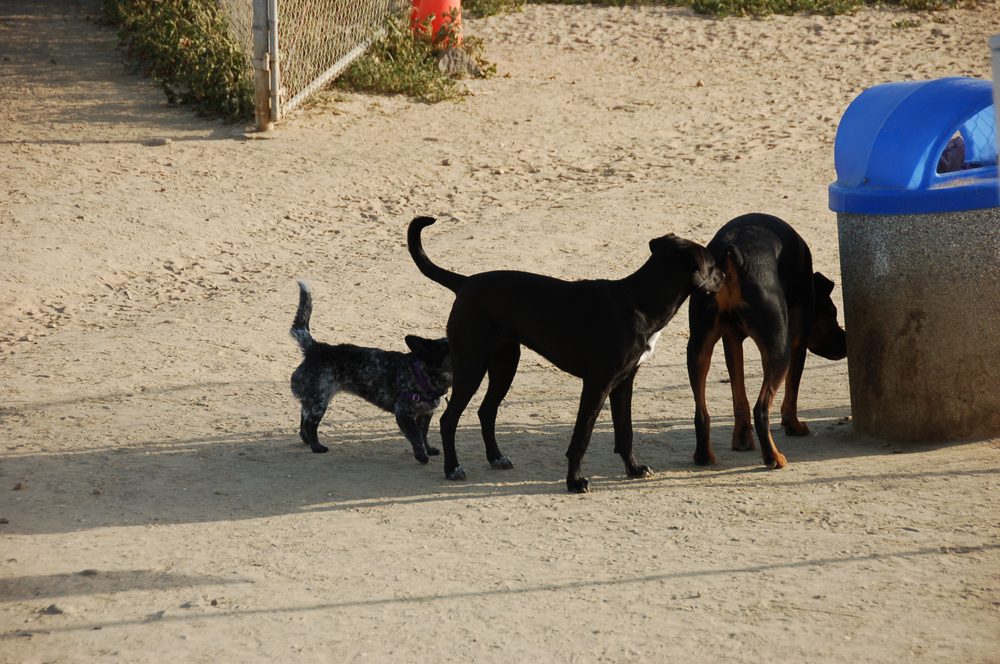
The connectionA structure shot flat-on and unsentimental, letting repetition and form carry the meaning instead of drama.
MoMA — Bernd Becher artist page →
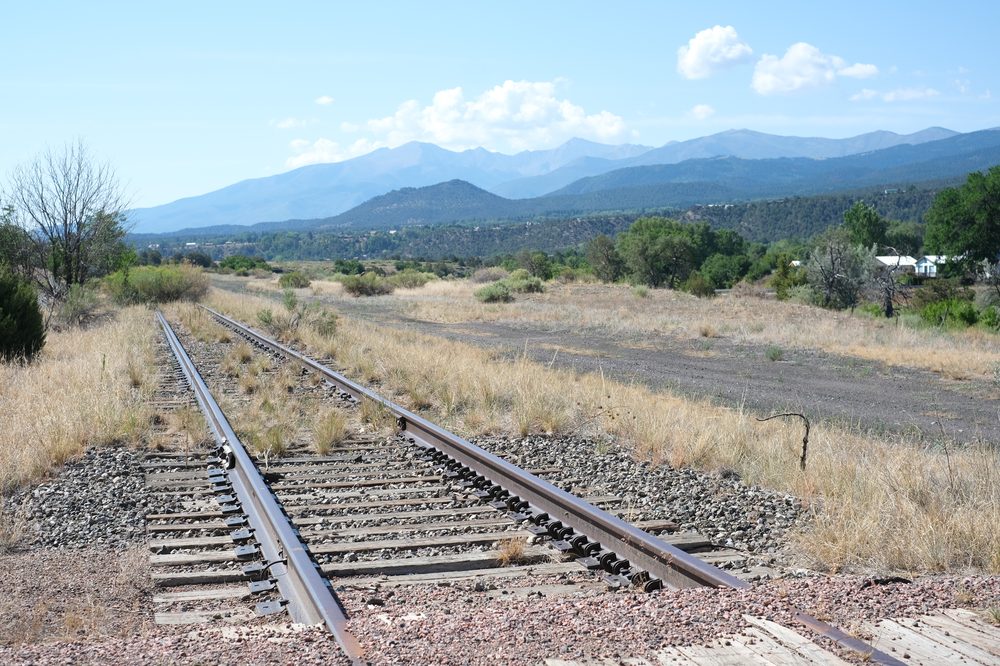
Example photo echoing Robert Adams's styleExample photo echoing Robert Adams's styleExample photo echoing Robert Adams's style

Robert Adams

active 1960s–present

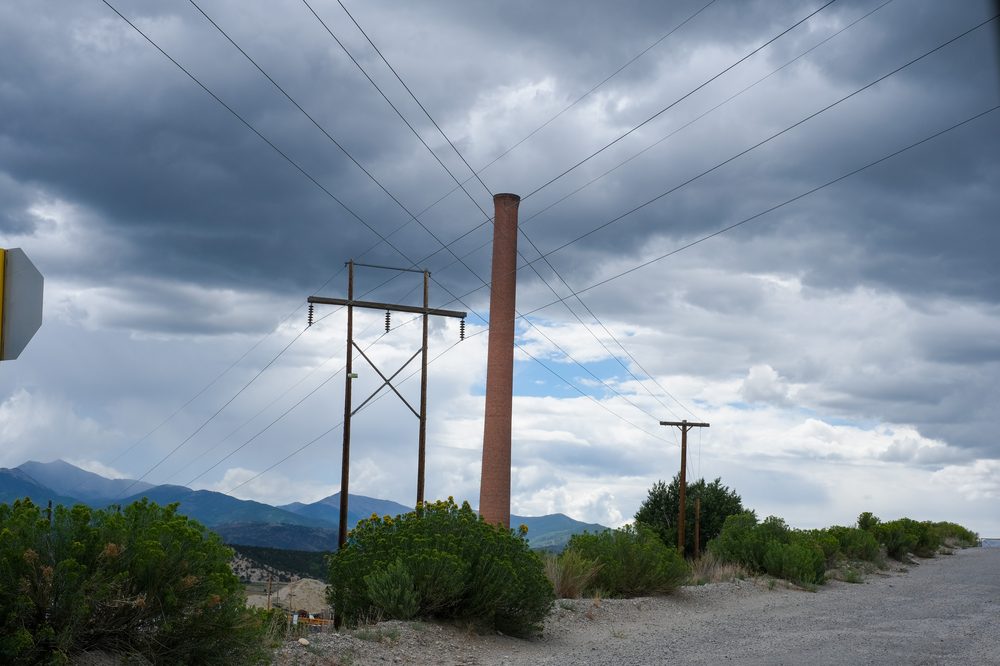
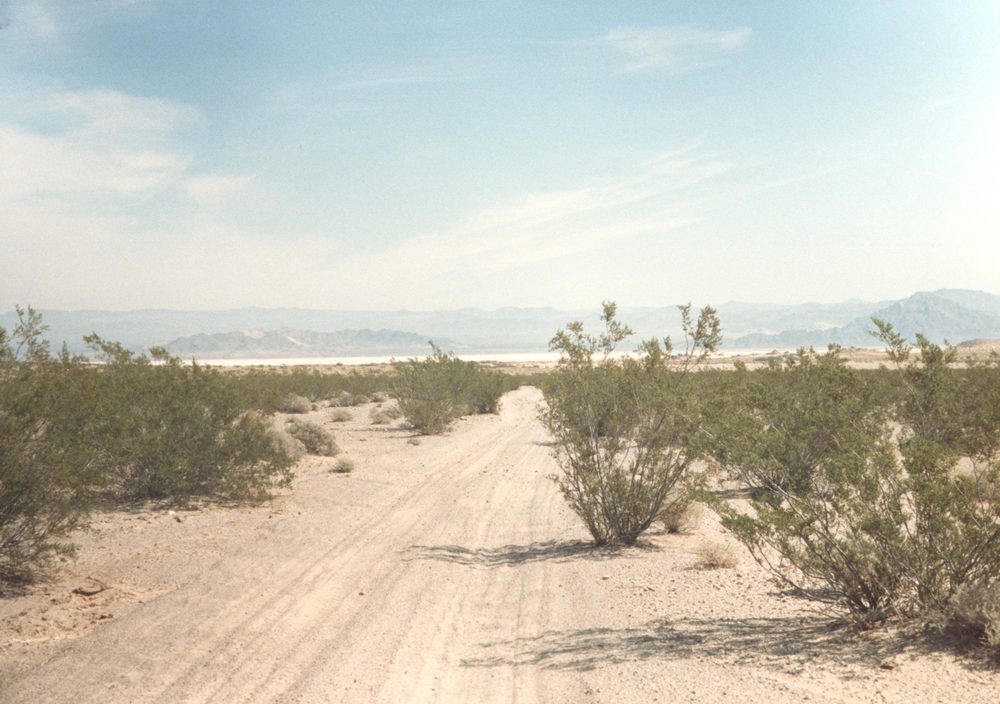
Unsentimental American West landscapes and decay/development, matter-of-fact rather than romanticized. No relation to Ansel Adams.

The connectionA Western landscape shot for what it actually is, not for drama.
Yale University Art Gallery retrospective →
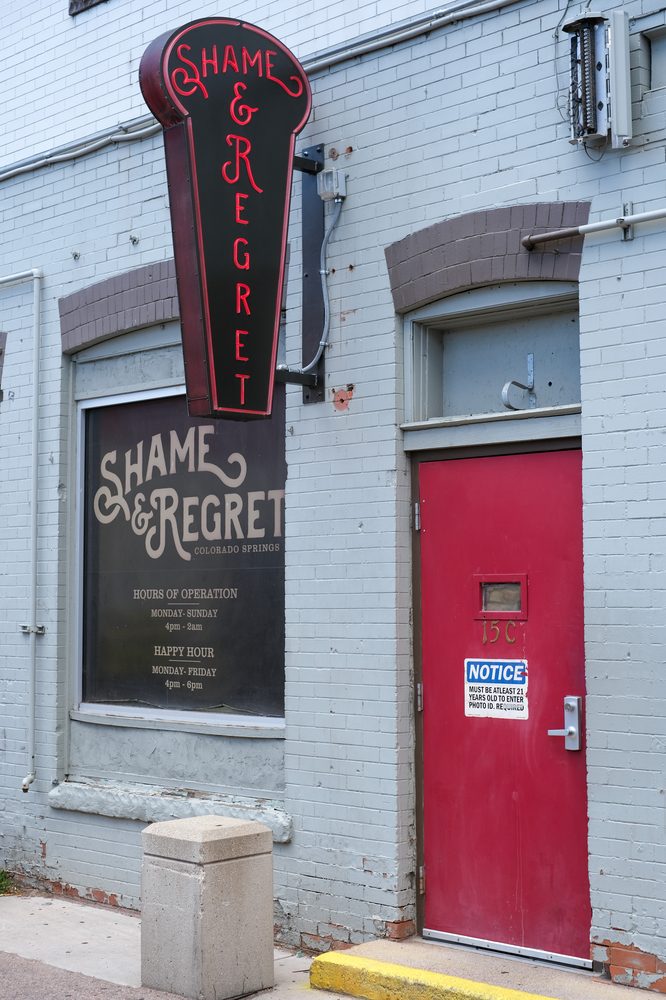
Example photo echoing William Eggleston's styleExample photo echoing William Eggleston's styleExample photo echoing William Eggleston's style

William Eggleston

active 1960s–present

Color-as-subject, banal-as-beautiful — the snapshot aesthetic elevated to fine art. Same lineage as Evans and Shore.

The connectionAn ordinary subject where color itself is doing the work of making it interesting.
David Zwirner — artworks & biography →
Example photo echoing Stephen Shore's styleExample photo echoing Stephen Shore's styleExample photo echoing Stephen Shore's style

Stephen Shore

active 1970s–present

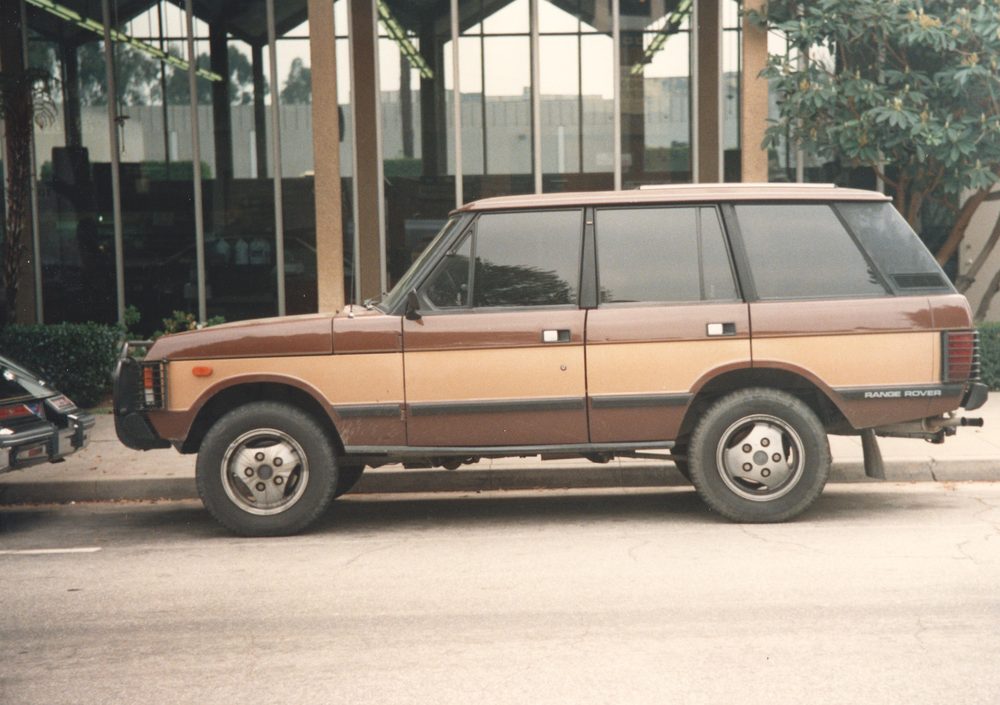
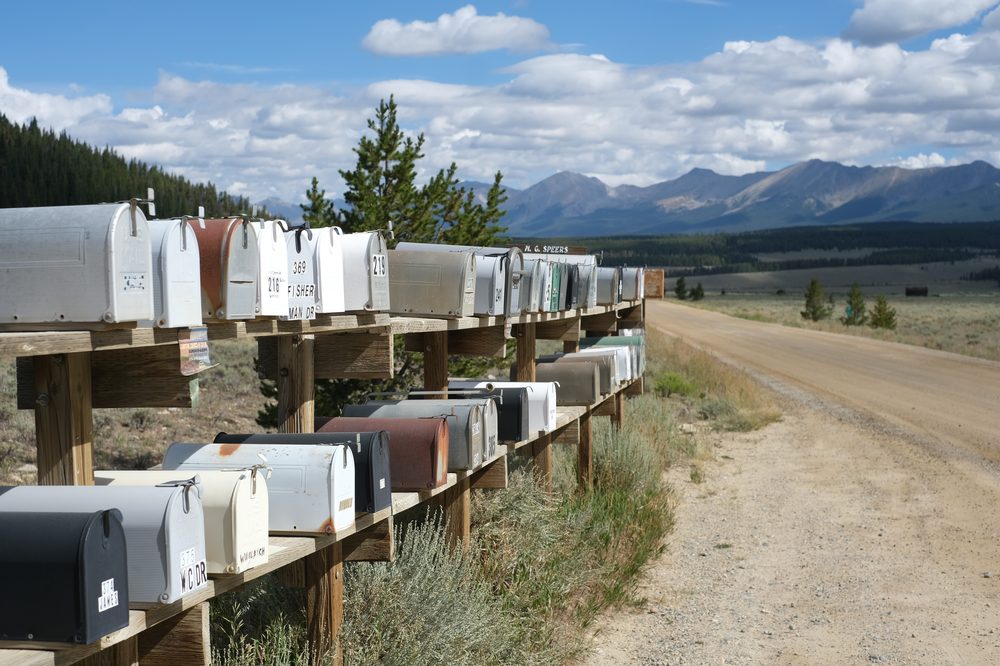
Uncommon Places (1982) — color road-trip photography, intersections, parking lots, motels, and diners shot deadpan-beautiful. Direct descendant of Evans, added color.

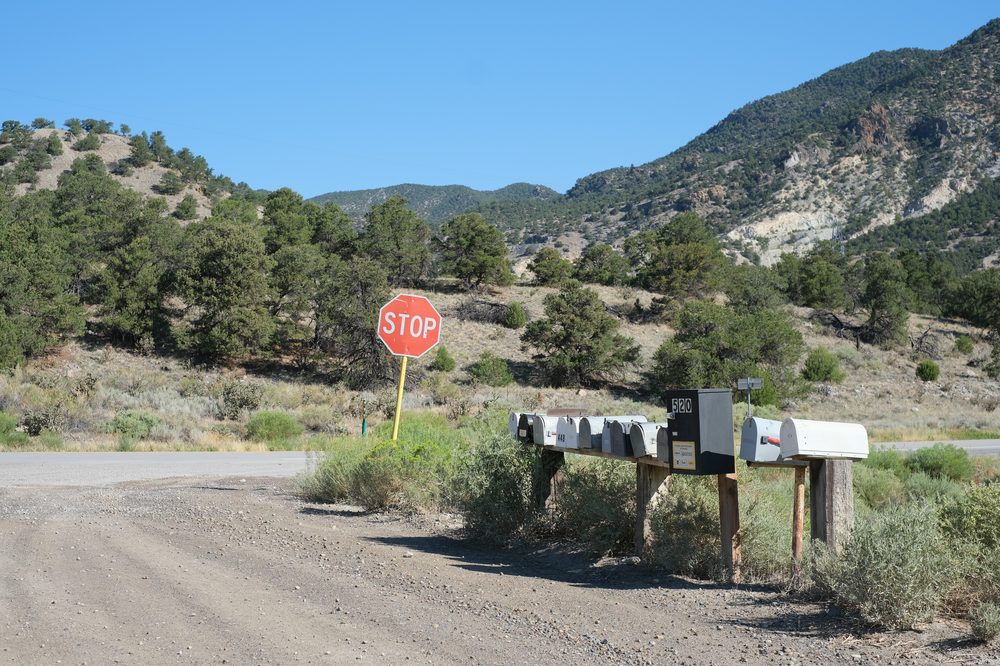
The connectionClassic road-trip Americana, color-forward, ordinary and elevated at the same time.
Official site →
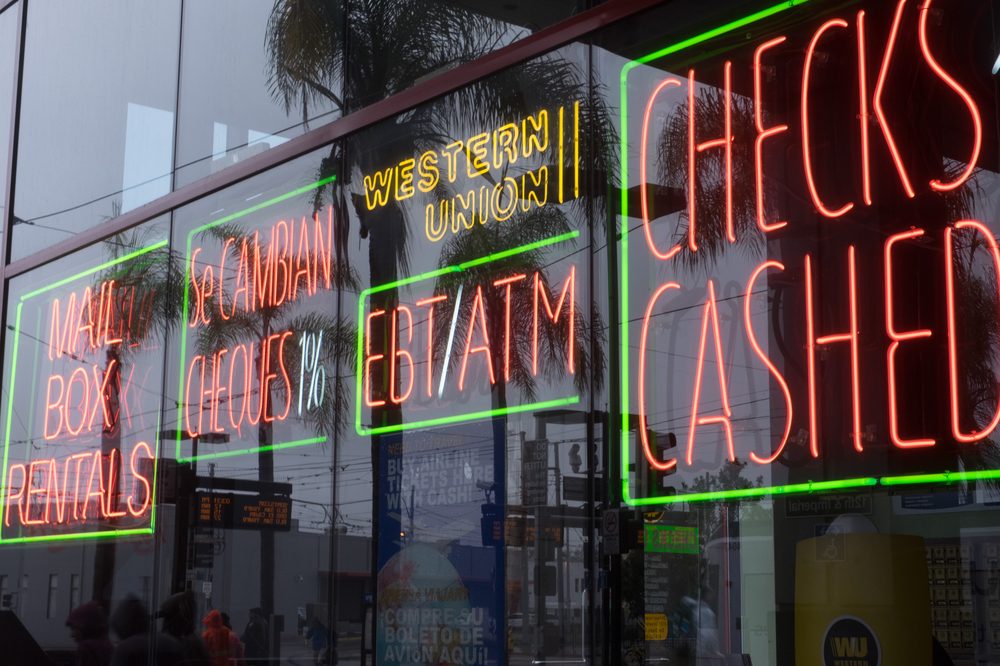
Example photo echoing Anne Geddes's styleExample photo echoing Anne Geddes's style

Anne Geddes

active 1990s–2000s

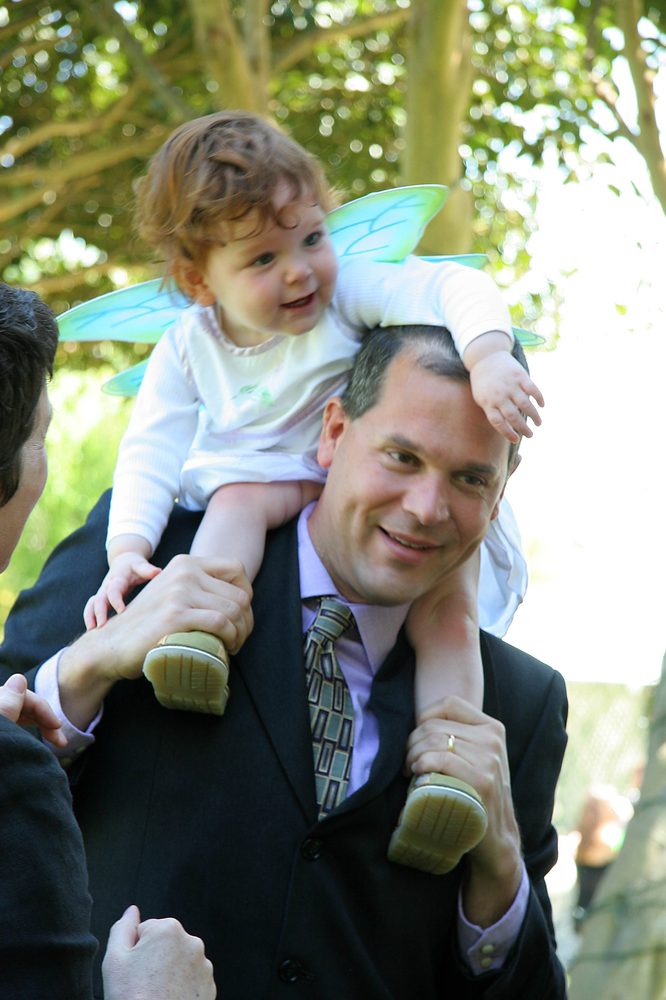
Staged, costumed infant photography — babies in flowerpots and cabbage leaves. Commercial/kitsch-iconic rather than fine-art, but an instantly recognizable visual shorthand.

The connectionA staged, costumed baby portrait — the shorthand is unmistakable even outside the fine-art world.
Official site →
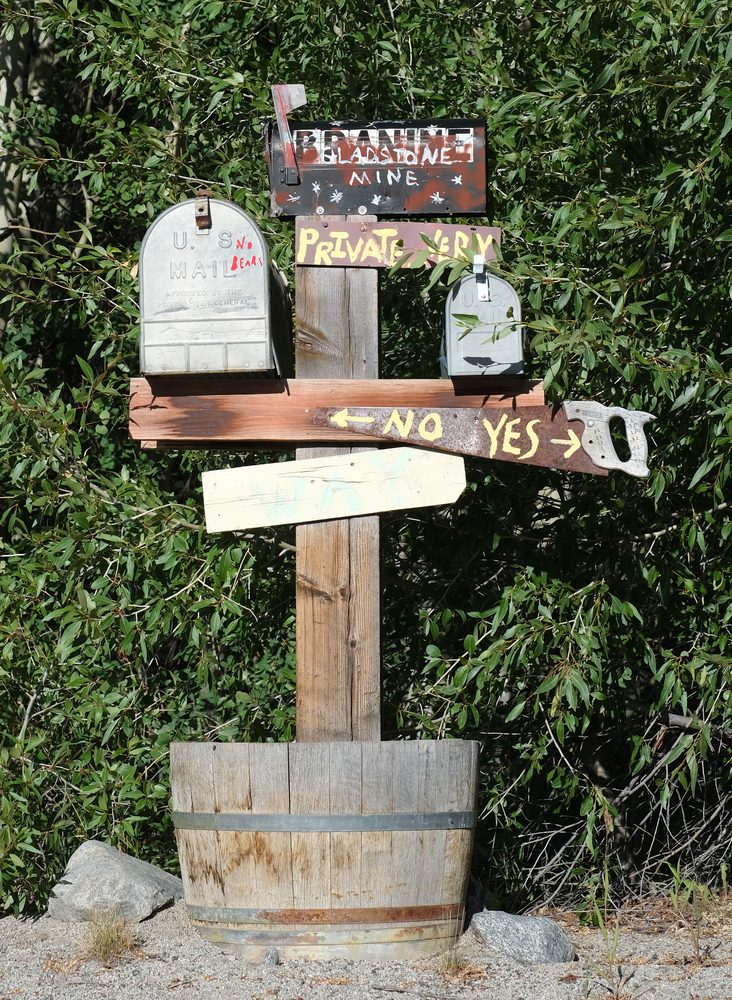
Mentioned for context, not tagged to a specific photo

Part of an ongoing photo review project. See also WikiFred.