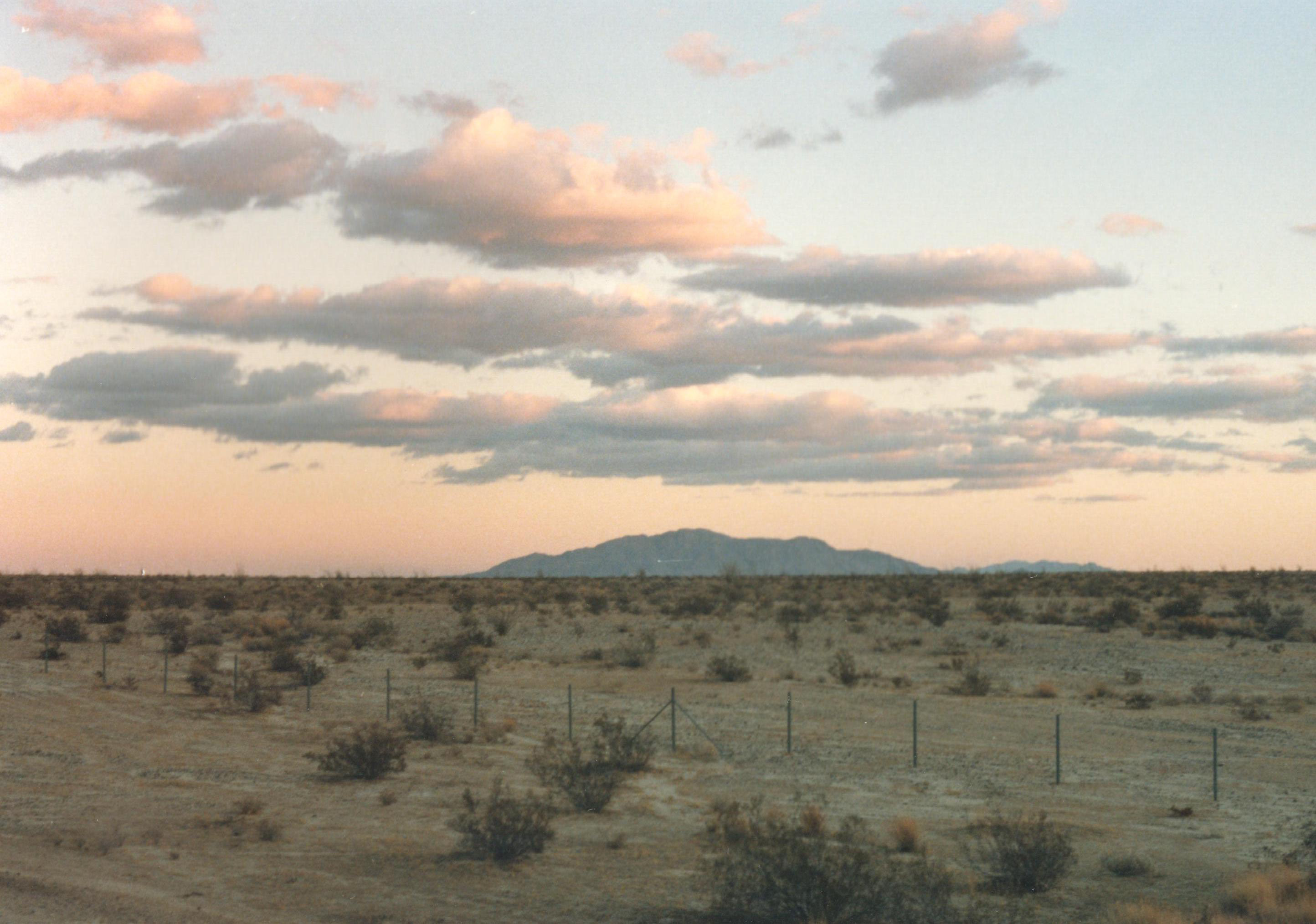
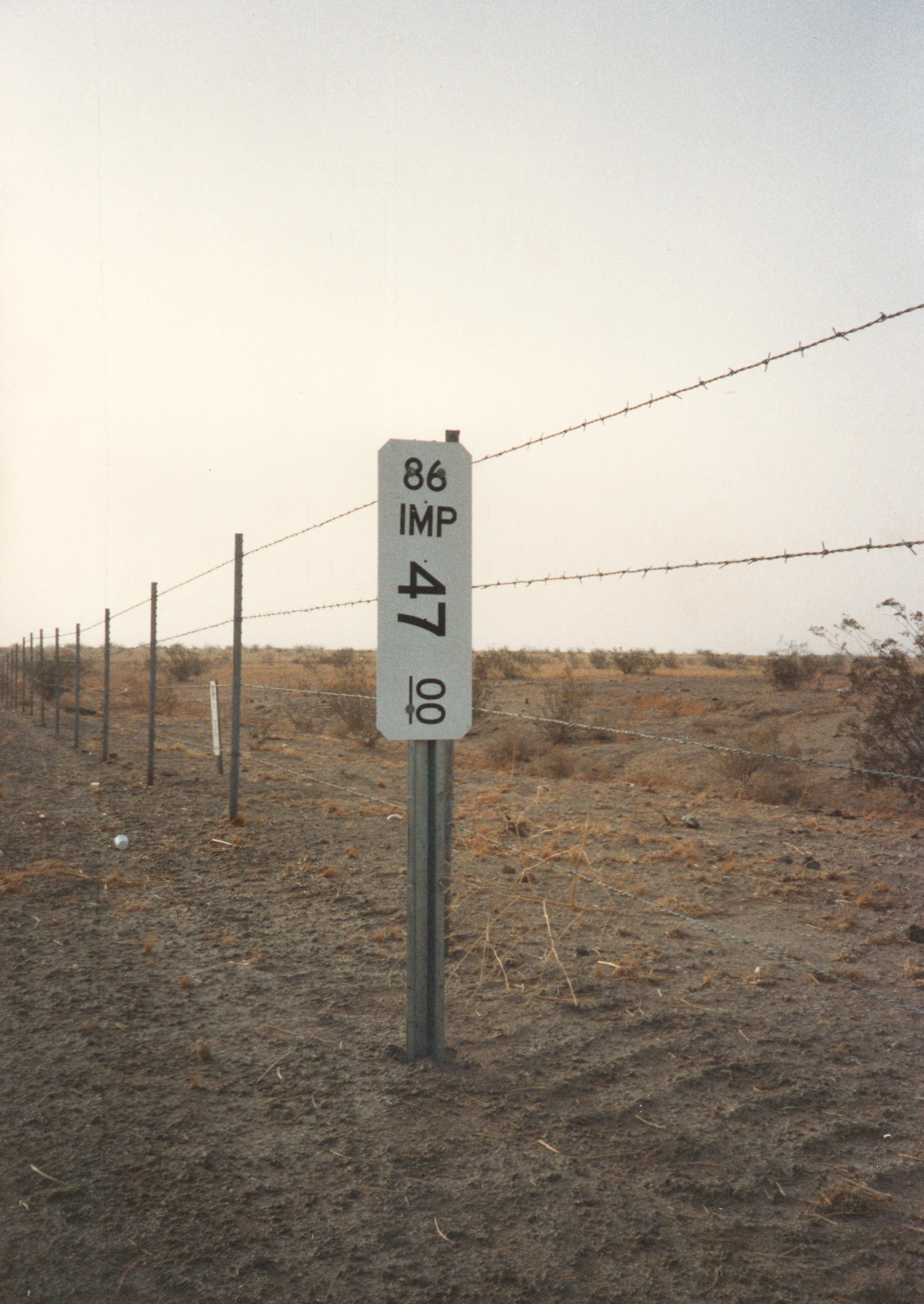
Imperial Valley, California. Agricultural country.
In the spring, if you walk out into an asparagus field in the Imperial Valley, you can hear the asparagus grow.
This is not a metaphor. Asparagus grows fast enough under the right conditions — warmth, water, fertile soil — that the stalks make an audible sound as they push through the ground. A sound like a soft crackling or ticking. The valley has all three conditions in abundance, and the asparagus takes advantage of them.
Imperial Valley agriculture is extraordinary by the standards of what agriculture usually requires. It’s a desert that receives perhaps three inches of rain a year. The Colorado River water that comes through the All-American Canal transforms it. The soil is rich. The growing season is year-round. You can grow lettuce, tomatoes, cantaloupes, onions, carrots, alfalfa — whatever the water allows — at scales and speeds that places with more rain can’t match in the winter months.
The feedlots are part of this too. Cattle are fattened on local alfalfa, which is part of why Camacho’s machaca tastes the way it does. The whole food chain is local in a way that used to be normal and is now unusual.
Walking through an asparagus field as a kid and hearing the sound of growth is a specific kind of education. You understand, viscerally, where food comes from.